Understanding Stress and Anxiety
Defining Stress and Anxiety
Stress and anxiety are intricate emotional responses that can significantly affect both mental and physical health. Stress is typically a response to an external trigger, while anxiety is often a more generalized feeling of apprehension that persists without clear cause. According to mental health researchers, stress can occur in short bursts as a reaction to immediate challenges, whereas anxiety often lingers, causing persistent worry and nervousness. These two conditions intertwine, often exacerbating each other, resulting in a debilitating cycle.
Causes and Triggers
Understanding the causes of stress and anxiety is essential for managing these conditions effectively. Common triggers include work pressures, family responsibilities, health issues, and significant life changes such as moving or a relationship strain. Beyond external factors, personal history plays a critical role. Individuals who have experienced trauma may be more susceptible to anxiety, while those with high expectations or perfectionist tendencies often encounter stress regularly.
The Impact on Daily Life
The impact of stress and anxiety extends into various aspects of daily life, affecting relationships, work productivity, and overall well-being. Individuals experiencing high stress levels may have difficulty concentrating, leading to decreased work performance and conflicts at home. Physically, chronic stress can manifest as headaches, fatigue, or gastrointestinal issues. Recognizing these impacts can motivate individuals to seek effective strategies to manage their symptoms.
Effective Techniques to Reduce Stress and Anxiety
Mindfulness and Meditation
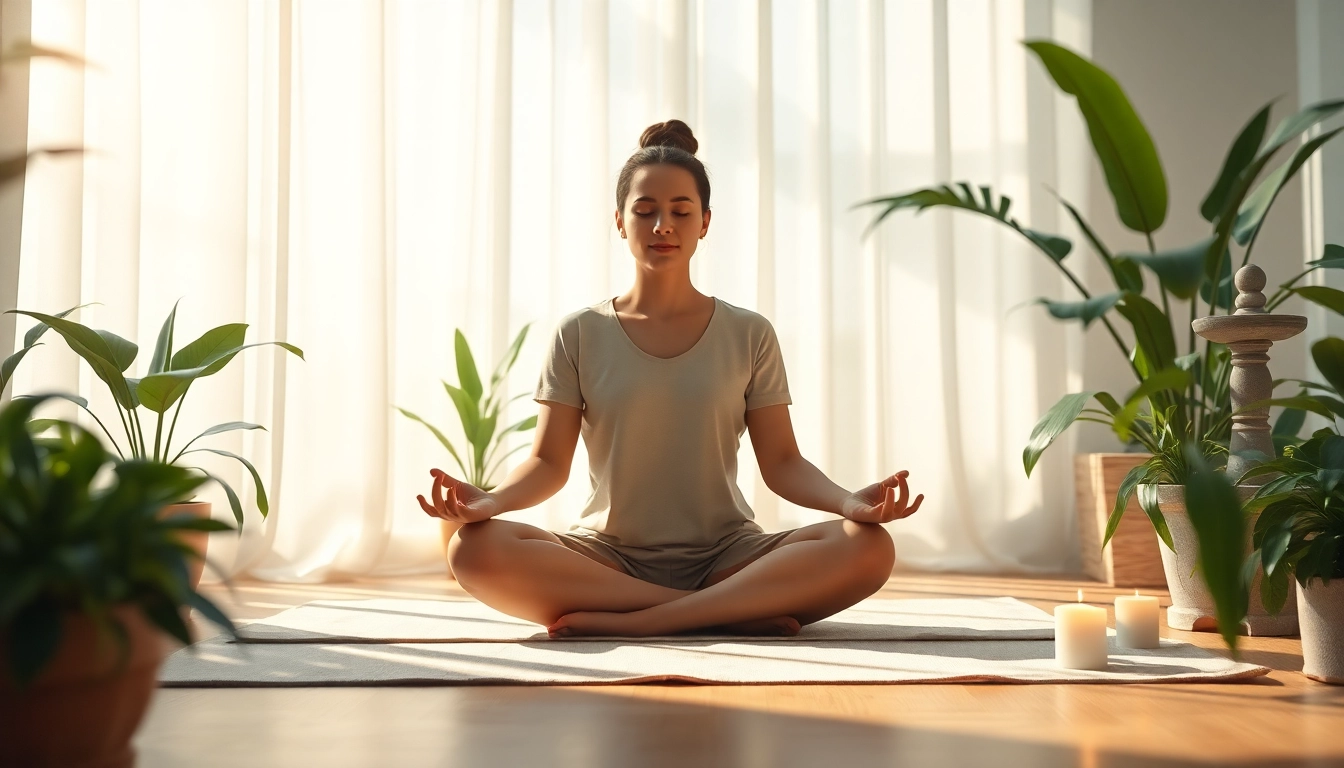
Mindfulness and meditation represent powerful tools in the fight against stress and anxiety. Mindfulness, which involves being fully present in the moment, can help individuals recognize their thoughts without judgment. Practices such as guided meditation or simple breathing exercises can foster a sense of calm. Research indicates that consistent mindfulness practice can decrease anxiety levels, enhance emotional regulation, and promote a healthier outlook on life.
Physical Activity and its Benefits
Regular physical activity is another crucial component in managing stress and anxiety. Exercise releases specific endorphins—chemicals in the brain that act as natural painkillers and mood elevators. Engaging in moderate physical activity for at least 150 minutes a week can significantly reduce symptoms of anxiety. Furthermore, activities such as yoga and tai chi, which blend physical movement with mindfulness, can be particularly effective in promoting relaxation and balance.
Breathing Exercises for Immediate Relief
In moments of acute stress or anxiety, breathing exercises can provide immediate relief. Techniques such as the 4-7-8 breathing exercise encourage individuals to breathe in for four seconds, hold for seven seconds, and exhale for eight seconds. This rhythmic breathing can help calm the nervous system, lower the heart rate, and promote a sense of peace. Incorporating these exercises into daily routines can equip individuals with a vital tool for navigating challenging moments.
The Role of Nutrition in Stress and Anxiety Management
Foods that Help Combat Stress
Nutrition plays a pivotal role in mental health, particularly in managing stress and anxiety. Foods rich in omega-3 fatty acids, such as salmon and walnuts, are shown to improve mood and reduce anxiety. Additionally, incorporating antioxidants through fruits and vegetables can combat oxidative stress, a contributor to mental fatigue. Regular meals that include whole grains, lean protein, and healthy fats can stabilize energy levels, further assisting in managing stress.
Hydration and Mental Clarity
Hydration is often overlooked but is essential in maintaining mental clarity and emotional stability. Dehydration can exacerbate symptoms of anxiety and lead to fatigue and irritability. Drinking adequate water is vital not only for physical health but can enhance cognitive function and mood. Aiming for at least eight glasses of water a day can support overall well-being and reduce feelings of stress.
Supplements to Consider
While a balanced diet is foundational, some individuals may benefit from supplements that can support mental health. Magnesium, for instance, is linked to reducing anxiety symptoms, while B vitamins are essential for overcoming fatigue and enhancing mood stability. Additionally, adaptogenic herbs like ashwagandha and rhodiola are emerging as natural options for managing stress. However, it is advisable to consult with a healthcare professional before starting any supplementation.
Professional Help: When to Seek Therapy
Types of Therapy for Stress and Anxiety
Understanding when to seek professional help for stress and anxiety is essential. Therapy modalities such as Cognitive Behavioral Therapy (CBT) focus on modifying negative thought patterns associated with anxiety, while mindfulness-based approaches help build resilience against stress. Other options include exposure therapy, which is beneficial for phobias, and dialectical behavior therapy (DBT), which teaches individuals to manage emotions effectively.
Finding the Right Professional
Finding the right mental health professional can be a crucial step in managing stress and anxiety. It involves considering factors like the therapist’s specialization, therapeutic approach, and compatibility with the individual’s personality. Online directories and community resources are valuable starting points for identifying potential therapists. Personal recommendations can also guide individuals toward trusted professionals.
The Importance of Support Systems
Support systems play a critical role in managing stress and anxiety. Whether friends, family, or support groups, having a network can provide emotional succor during tough times. Engaging with those who understand the struggles can foster a sense of belonging and decrease feelings of isolation. Participating in support groups, both in-person and online, can provide additional coping strategies and encouragement from shared experiences.
Long-term Strategies for Sustained Mental Health
Developing Healthy Routines
Creating healthy routines is vital for sustained mental health. This may include setting regular sleeping patterns, meal times, and incorporating stress management techniques into daily life. Establishing a predictable schedule can provide a sense of stability, helping individuals to manage their anxiety more effectively. Additionally, dedicating time to hobbies and interests fosters balance and happiness.
Creating a Supportive Environment
A supportive environment can facilitate better stress management. This includes curating spaces that promote calmness and joy, such as decluttering living spaces and incorporating calming colors or plants into one's environment. Engaging in open dialogues about mental health within households can also demystify anxiety and create a culture of acceptance and understanding.
Regular Assessments of Mental Well-being
Regular assessments of mental well-being can help individuals identify stressors and recognize patterns in their emotional responses. Journaling or utilizing mental health apps can assist in tracking mood and triggers, providing insights for adjustments in coping strategies. Regular check-ins with oneself, even through simple questionnaires, can foster a proactive approach to mental health management.
FAQs About Stress and Anxiety
What are common symptoms of stress and anxiety?Common symptoms include constant worry, irritability, fatigue, difficulty concentrating, and physical symptoms like headaches.Can exercise really help with stress and anxiety?Yes, exercise releases endorphins, which improve mood and help mitigate stress and anxiety levels effectively.How does diet influence stress and anxiety?A balanced diet rich in whole foods can prevent mood swings and enhance mental clarity, reducing stress and anxiety.When should I consider seeking therapy for anxiety?If stress and anxiety interfere with your daily life, relationships, or work, professional help can provide necessary support.Are there quick techniques for stress relief?Breathing exercises, mindfulness, and short walks are effective techniques for quick stress relief that you can practice anywhere.