Understanding Auto Window Tinting
What is Auto Window Tint?
Auto window tint is a thin film that is applied to the windows of vehicles to reduce glare and improve privacy. Made from various materials, including dyed polyester, metalized film, and ceramic, window tinting is both an aesthetic and functional addition to any vehicle. This film can be seen in various shades, ranging from light to dark, and its use goes beyond just appearance; it also offers protection against harmful UV rays and heat. Those seeking auto window tint near me should consider the different types available to find the best match for their needs.
Benefits of Auto Window Tint
Auto window tinting provides numerous benefits that can enhance the driving experience and protect the vehicle. First and foremost, it significantly reduces heat inside the car, which makes for a more comfortable ride. Moreover, it blocks up to 99% of the sun’s harmful UV rays, helping protect both occupants and the interior of the vehicle from fading and deterioration over time. Additionally, window tint enhances privacy by limiting visibility into the vehicle, thereby safeguarding personal belongings. It also improves glare reduction when driving, contributing to overall safety on the road.
Different Types of Window Tint
There are several different types of window tint, each with unique properties and benefits. The primary types include:
- Dyed Film: This is the most affordable option and provides a basic level of privacy and UV protection. It’s made by applying a dye to an adhesive layer.
- Metalized Film: This type includes metal particles to reflect heat and block UV rays more effectively. It’s more durable than dyed film and adds structural strength to windows.
- Ceramic Film: Known for its superior performance, ceramic film does not interfere with electronic devices and provides excellent heat rejection without being overly dark.
- Carbon Film: This film offers great heat resistance and prevents fading while maintaining a matte finish.
Choosing the Right Auto Window Tint Near Me
Factors to Consider When Selecting Tint
When searching for the best auto window tint near me, several factors should be carefully considered:
- Local Regulations: Familiarize yourself with local tint laws to ensure compliance with legal limits on visibility.
- Type of Tint: Based on your needs for privacy, heat rejection, and aesthetics, choose the type of film that aligns with your requirements.
- Brand Reputation: Look for reputable brands known for quality products and certifications.
- Warranty: A good warranty can provide peace of mind; it indicates the manufacturer’s confidence in their product.
How to Research Local Tint Shops
To find the best auto window tint near me, it’s advisable to conduct thorough research into local tint shops. Start by searching online directories or using search engines to find nearby tinting services. Check their websites for details about their available services, types of films offered, and certifications. Additionally, consider visiting these shops in person to gauge professionalism and quality of service. Verifying if they have the necessary licensing and training can also enhance your confidence in their capabilities.
Reading Reviews and Testimonials
Reading customer reviews and testimonials is crucial in selecting a reliable auto window tint provider. Look for themes in feedback, such as cleanliness of the workshop, friendliness of the staff, and the overall satisfaction of previous customers. Websites like Google and Yelp provide platforms where you can find authentic reviews that reflect other customers’ experiences. Be wary of any shop with a disproportionate number of negative comments, as they can indicate systemic issues within the business.
The Installation Process Explained
Steps in Auto Window Tint Application
The installation of auto window tint generally follows several key steps:
- Preparation: The vehicle’s windows are thoroughly cleaned to remove dust and debris, ensuring optimal adhesion.
- Measuring: Accurate measurements are taken to cut the tint film to the appropriate size for each window.
- Application: The tint film is applied to the window using a soap-water solution to prevent bubbles and facilitate positioning.
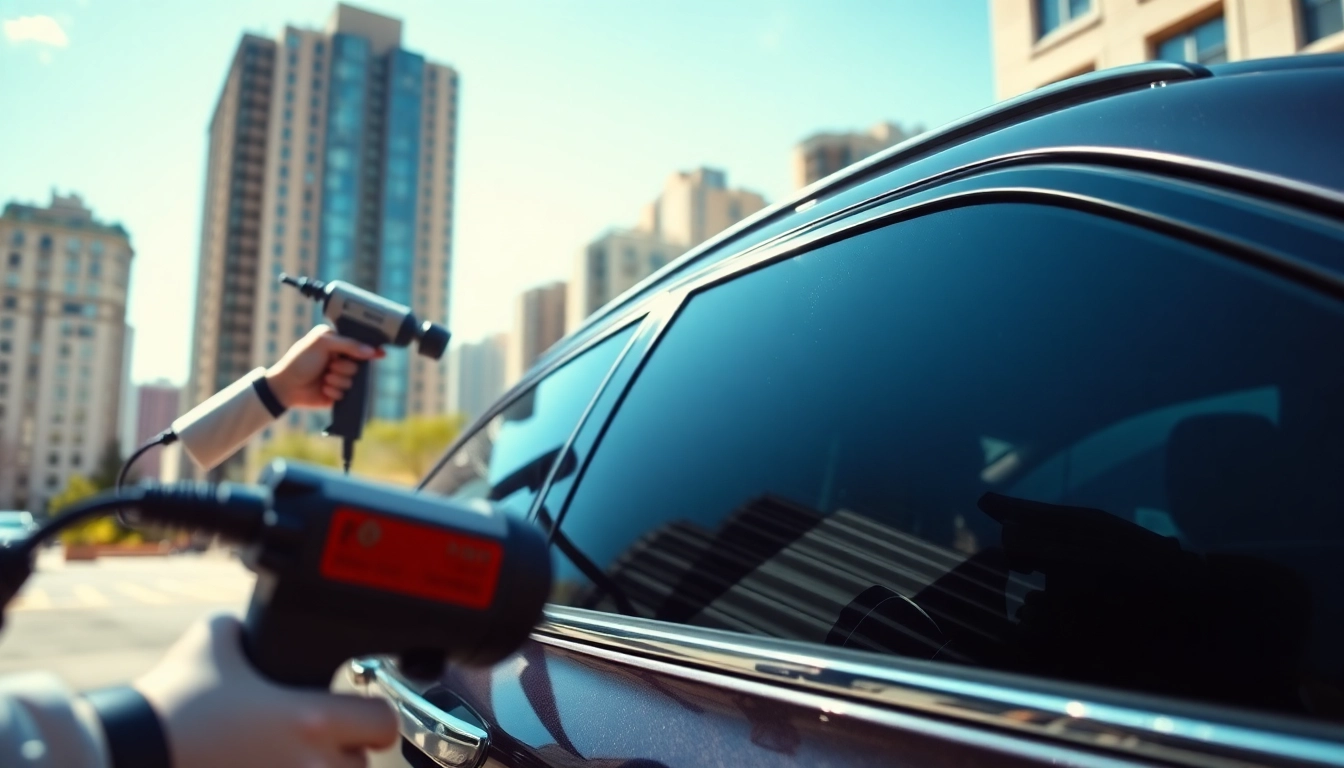
- Trimming and Smoothing: Once positioned, the film is trimmed and smoothed out. Heat is often applied to ensure a tight seal.
- Final Checks: The installer will finalize and clean any residue, ensuring everything is polished and ready to go.
Common Mistakes to Avoid
A few common errors can arise during the window tinting process that may affect results:
- Neglecting Local Laws: Failing to comply with local regulations can lead to legal issues and costly reapplication.
- Poor Quality Films: Using inferior tinting products may result in discoloration, bubbling, or pealing over time.
- Skipping the Cleaning Step: Not cleaning the windows properly can lead to trapped dirt and humidity, compromising the installation.
- Attempting DIY: While a DIY tint might seem cost-effective, improper installation can lead to visually unappealing and ineffective results.
Duration and Costs of Installation
The duration and costs associated with window tinting vary based on several factors, including the type of film, the number of windows, and the complexity of the installation. Most professional applications take between 2 to 4 hours. As for costs, they can range anywhere from $100 for basic services to over $600 for high-end installations involving premium films. The investment should be weighed against the potential benefits, such as increased comfort and UV protection.
Maintenance and Care for Tinted Windows
How to Clean Tinted Windows Safely
Maintaining tinted windows requires special care to avoid damage. Here are best practices for cleaning:
- Use Mild Cleaners: Opt for ammonia-free glass cleaners, as ammonia can harm window film.
- Gentle Cloths: Use soft microfiber cloths to avoid scratching the tint.
- Avoid Harsh Scrubbing: Clean the windows by wiping gently, avoiding any abrasive actions that could peel or scratch the film.
Signs Your Tint Needs Replacement
Tinted windows may eventually show signs of wear. Key indicators that your film may need replacement include:
- Fading: A noticeable reduction in color vibrancy is often a sign that the film’s effectiveness is diminishing.
- Bubbling: Bubbles can form if moisture is trapped beneath the film, indicating poor application or aging film.
- Peeling: Edges may start to lift away from the glass surface, exposing untinted areas.
Extending the Lifespan of Your Tint
To maximize the lifespan of your window tint, consider the following:
- Avoid direct sunlight: Park in shaded areas or garages whenever possible to reduce UV exposure.
- Regular cleaning: Maintain a consistent cleaning regime by using suitable materials and products.
- Protect from scratches: Avoid using rough items in your vehicle that can scratch the tinted surfaces.
FAQs about Auto Window Tint Near Me
What is the legal tint percentage?
The legal tint percentage varies by location, typically ranging from 30% to 50% visible light transmission. Always check local regulations.
How long does window tint last?
High-quality window tints can last anywhere from 5 to 10 years, depending on factors like the type of film and maintenance.
Can I remove window tint myself?
While possible, removing window tint yourself can be challenging and may lead to damage. Professional removal is recommended for best results.
Does window tint reduce heat inside the car?
Yes, window tint significantly reduces heat buildup by rejecting a substantial percentage of solar energy, enhancing comfort while driving.
Is window tinting worth the investment?
Yes, window tint offers various benefits such as UV protection, increased comfort, and improved aesthetics, making it a worthy investment for many vehicle owners.